 Manu Reserve Zone
5D / 4N
Manu Reserved Zone Express
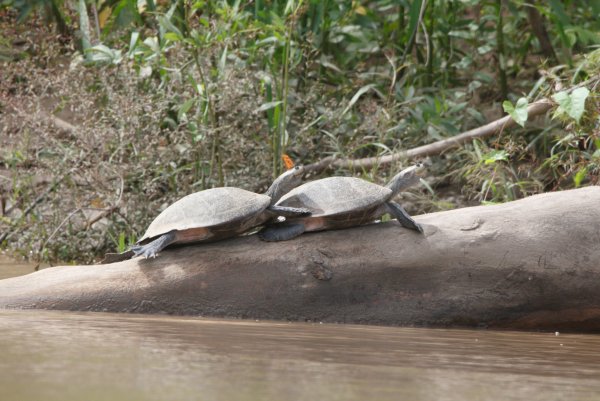
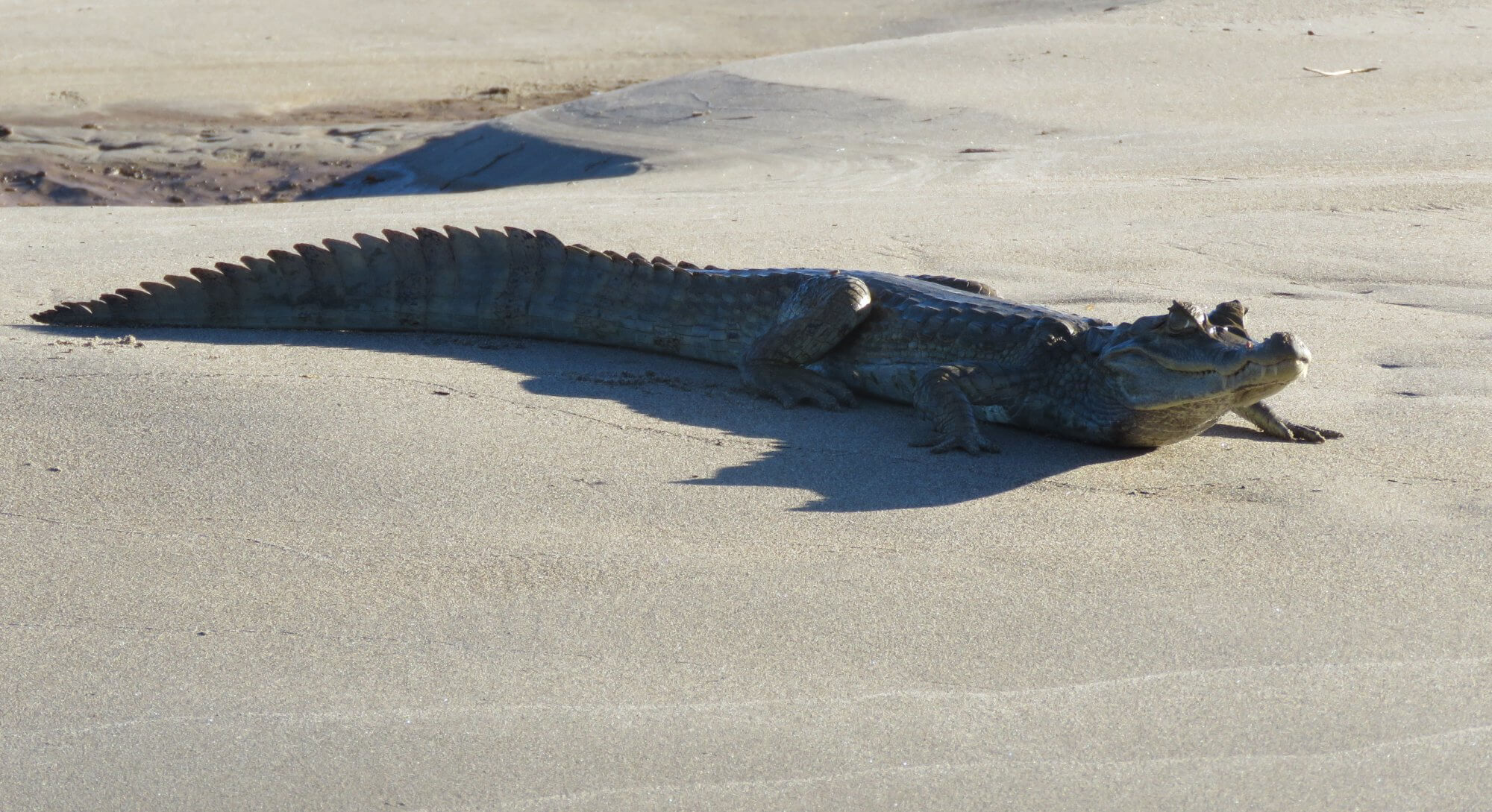
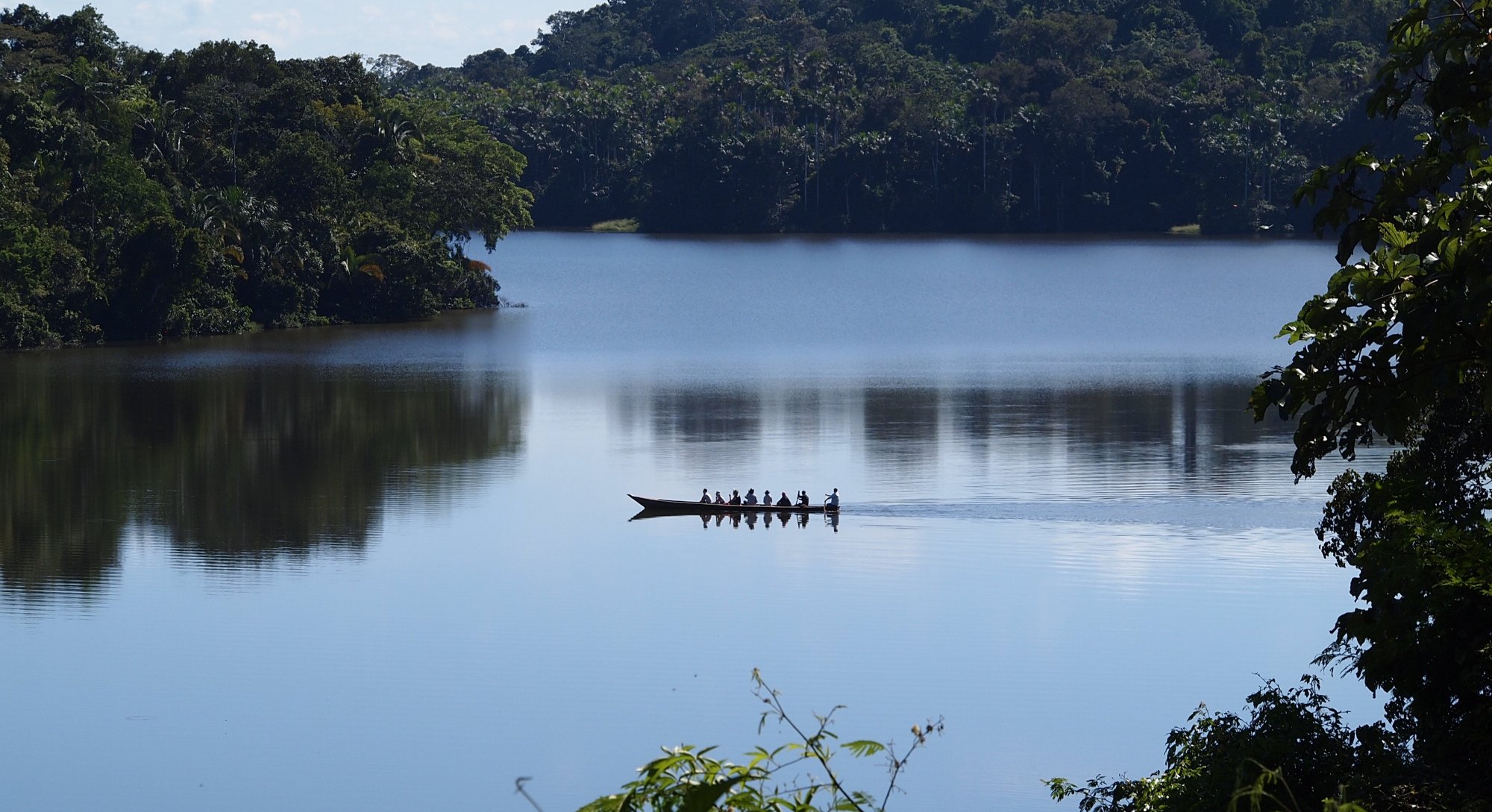
Here at Amazon Tours Manu we have designed an exclusive tour, that its takes you to the remoteness of the park, in fact this trip is well...
Amazon Tours Manu
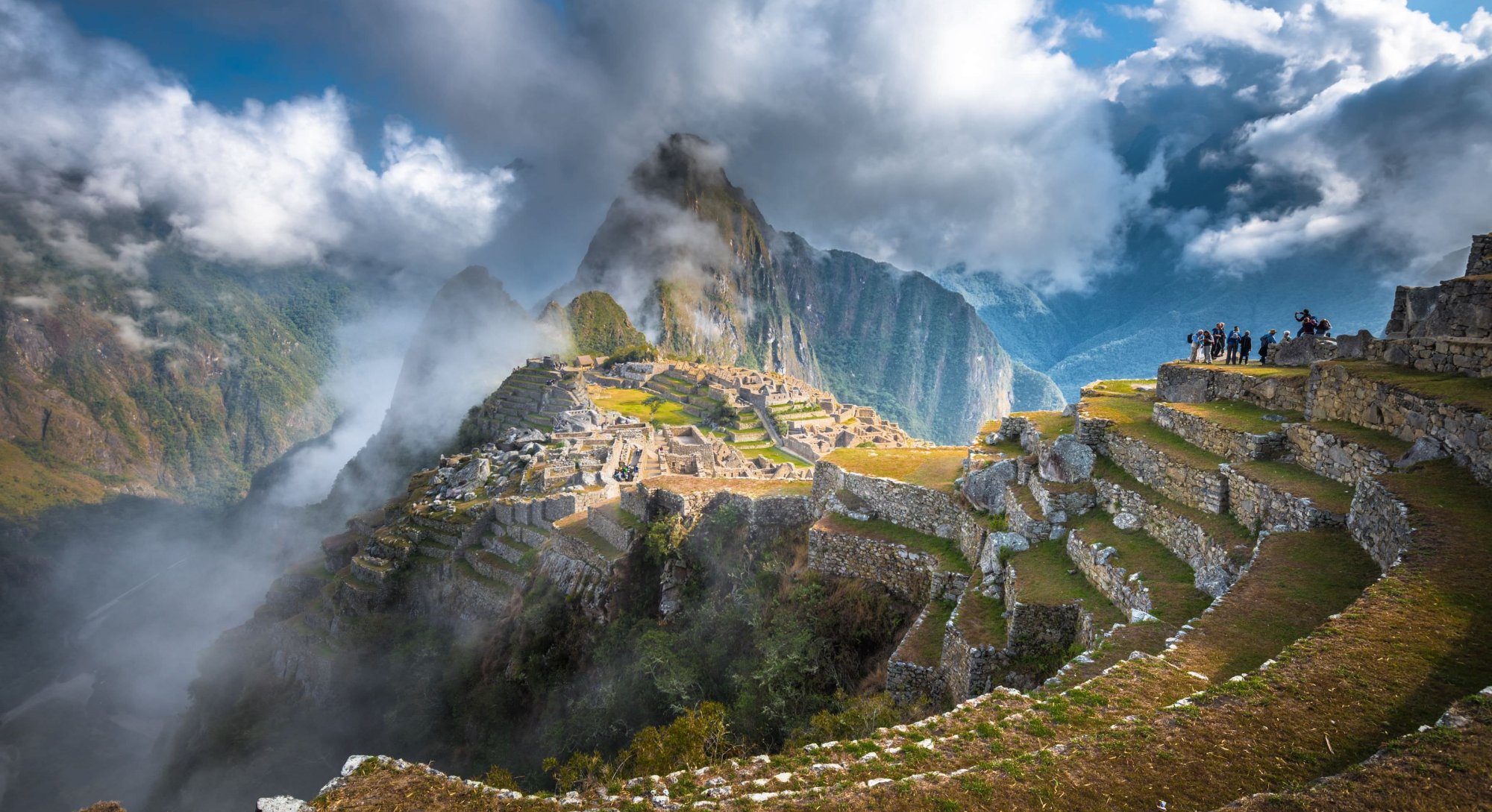
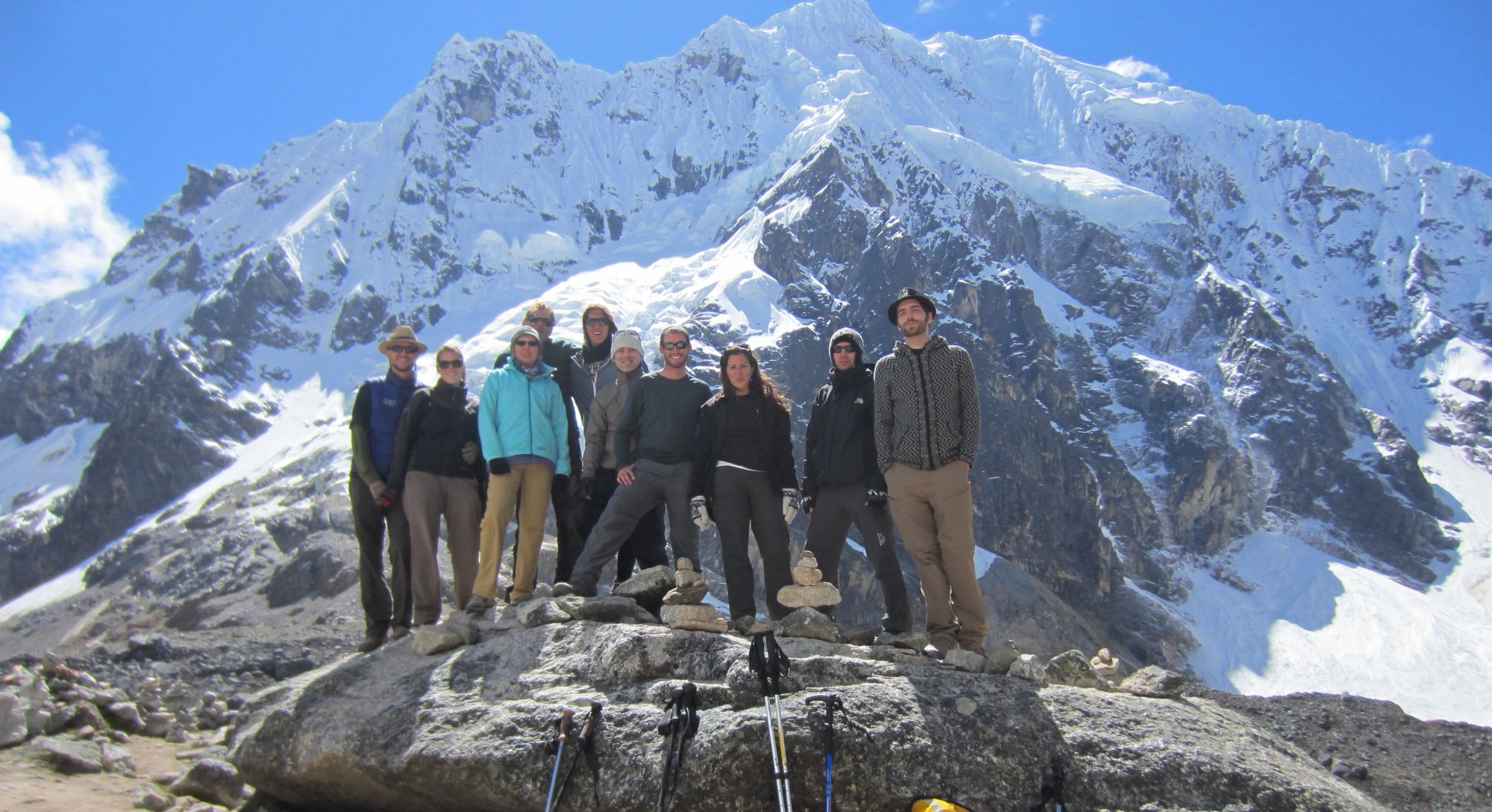
In this section, we answer your questions about the weather, travel logistics, health, and packing so you can enjoy your experience in Manu and Cusco with total peace of mind.
1. How does Amazon Tours Manu work?
. Call Us to Amazon Tours Manu, fill out one of our
online forms, or email a request. We will pair you with
your personal travel advisor within 24 hours.
. Once you are happy with your travel itinerary, simply
confirm with 30% as a down payment.
. You will receive full
confirmation for your trip approximately 3-4 weeks after
booking. We will coordinate everything from planes and
trains to busses and tours.
. Your travel advisor will remind you about your trip
balance one month before your trip.
. Amazon Tours Manu will
send reservation requests to all of the hotels on your
preference list, but normally the hotels take one week
or more to reply. We also confirm hotels that you did
not request, in order to have a back-up hotel just in
case your requested hotel is already fully booked. We
will always make sure that the backup hotel is of the
same quality as your preferred choice. All of our hotels
are handpicked to ensure your quality and comfort.
2. Lima Airport
information
. Airport lockers: Lockers are near the domestic
departure exit. The airport staff will point you in the
right direction. Lockers cost 7 soles per hour and 28
soles for the whole day. There is also a left-luggage
area where you can leave your suitcase for 3.50 soles
per hour per piece or 14 soles for the whole day per
piece.
. Money Changers & ATMs: Open 24 hours, fair rates, and
easily accessible in the airport.
. Going through customs in
Lima: Domestic flights customs are a breeze. For
international flights between the United States & Lima:
avoid packing liquids, gels, drinks, shampoo, sun block/suntan
lotion, creams, toothpaste, hair gel, hair spray, &
liquid cosmetics in your carry-on bag. Put them in your
check-in luggage. To bring medicines, you need a
prescription.
. Departure taxes: For all
flights from Jorge Chavez International Airport in Lima,
passengers must pay a domestic or international flight
departure tax. Most international departure taxes are
now included in the ticket price. A domestic departure
tax of $5-10 USD, depending on the airport, is not
always included in the ticket price and must be paid
before boarding. This is payable at the airport payment
teller window located right before you pass through
security. This will mean lining up twice, which is a
good reason to arrive early although the process is
rather quick.
. Our booking: Airlines are
subject to change and we’re one step ahead. If by any
chance your flight is delayed or cancelled, you are
automatically on the next flight and we will coordinate
everything from there. Our team also confirms your
flights for you so you don’t need to bother with the
details.
. Always informed: If there are any changes, you will be
notified wherever you are by our representative in each
destination.
. E-ticket flexibility: We arrange everything via e-tickets
so there is maximum flexibility for you. We put you in
the airline’s system so you simply breeze through the
check-in counter and get your boarding pass(es).
. Frequent Flyers: Pass us your frequent flyer numbers so
we can automatically credit your miles with
participating airlines in South America.
3. Do I need a visa to
enter Perú?
With a few exceptions, visas are not required for
travelers entering Perú. Tourists are permitted to stay
in the country up to 183 days on a tourist visa upon
arrival, which is stamped into their passports and onto
a tourist card, called a Tarjeta Andina de Migración (Andean
Immigration Card), which you must return upon leaving
the country. The actual length of stay is determined by
the immigration officer at the point of entry. Be
careful not to lose your tourist card, or you will have
to line up at the oficina de migraciónes (immigration
office), also simply known as migraciónes, for a
replacement card. It’s a good idea to carry your
passport and tourist card on your person at all times,
especially when traveling in remote areas (it’s required
by law on the Inca Trail). For security, make a
photocopy of both documents and keep them in a separate
place from the originals.
4. Money in Perú
Where to change currency: You can change your money
in Peru or in your home country. Many banks will
exchange large amounts of money at no charge, but
require several business days. You can also change money
at the airport in Lima (open 24 hours) and the rest of
it at your other destinations as needed. There are casa
de cambio (money exchange offices) in all major cities,
generally easily accessible.
The most secure and
easiest places in Peru to exchange your US dollars are
at the airport or at your hotel, but you will easily
find places to change money in most cities. Make sure
you know the official exchange rate, as not all places
offer the same rates. You can also use ATMs to withdraw
money throughout Peru (but not in very remote areas like
Aguas Calientes, Machu Picchu, or the Titicaca Islands).
Keep in mind that when you travel to more remote areas
of the country you should have plenty of small bills or
coins in Peruvian currency on hand.
Are American dollars
readily accepted? Yes, US dollars are widely accepted in
Peru. You can use them in most of the hotels,
supermarkets, and restaurants, but please carry Peruvian
currency with you for remote areas or for shopping in
small shops.
Large bills (soles):
Avoid paying with or carrying around large bills. Many
merchants can’t or won’t change them, and finding
someone to provide change can be a hassle (this is
particularly true for taxi drivers, who almost never
have – or claim not to have – sufficient change).
Other currencies: It is
easier to use US dollars, as larger stores and hotels
readily accept them and it may be difficult to find
places that will change your Canadian dollars outside
banks and official currency exchange houses. However,
you are still likely to get a better currency exchange
rate in Peru than in Canada.
Budget: Roughly how much
do you think we are likely to need for our trip?
Numerically, prices in Perú are very much like in the
USA. But it’s really a bargain, because in Peru your
dollar is worth almost three times what it is in the US.
An average good meal in the US is $14-20, and a good
meal in Perú is 15-25 soles (under $10 USD). A high-end
meal that is $70 in the US is 70 soles (about $20).
Bargaining is also
expected when you shop in markets. Always make a counter
offer lower than the amount asked. If you plan to make
big purchases, a nice high-quality Alpaca sweater can
cost around $100, while little trinkets will cost
anywhere from 30 cents and up.
How much should one tip
in Peru and who? Peruvians generally do not tip well, if
at all. From this perspective, you should tip according
to how well you were served. Be aware that some
restaurants already include a service charge in the bill.
Here is an idea of the
usual custom here:
Tour guide - $5 - $10 per person
Waiters in good restaurants - 10%
Waiters in budget restaurants - from nothing to 5%
Drivers/maids - $1 - $2 per person
Bellboys - 1 sol per piece of luggage
Should we tip the drivers
who will be transporting us (for example from airport to
hotel and back)? Drivers in Peru usually do not receive
tips. But at Peru For Less we take a liberal approach
and would like to leave it up to you. Tip according to
how well you were served. Usually 1 sol should be enough.
Are there any costs that
are not included in our tour? Everything is included
except lunch and dinner, personal trip costs during your
free days such as taxi rides and activities not
mentioned in your itinerary, and some airport taxes.
Warning about counterfeit
money: Though most travelers report no problems with
fake currency, you can avoid receiving counterfeit bills
in Perú by using official bank ATMs and reputable
currency exchange offices. It is usually relatively easy
to tell if you’ve received a counterfeit note.
5. Do you know what
voltage the sockets have – 110 or 220? What are the
standard plugs?
The voltage in Peru is 220V. Some of your
electronics may be able to take up to 220V; just look at
the label on the charger. If not, you might want to
carry an adapter/converter with you. Almost all of the
outlets here accommodate both round and flat prongs (the
outlet is a combination of the 2 pictures below).
6. What should we pack?
This will depend very much upon which area of Perú
you are visiting. Here is a rough guide to help you
decide. The secret, by the way, is layering. Peel off
during the warm day, and layer on for cool nights. But
pack as light as possible. You don’t want to lug around
lots of unnecessary bags during the trip (and you might
need room for souvenirs!).
Jungle
. Sandals with straps (You’ll be given rubber boots at the
lodge.)
. Comfortable walking shoes/hiking boots (nothing that you
wouldn’t want to get muddy!)
. Loose long-sleeved tops and long pants
. Hat with netting
. Poncho
. Insect repellent
. Flashlight
Machu Picchu
. Hiking boots
. Fleece
. Poncho (December through February)
Salkantay Trail
. Hiking boots
. Walking pole (optional)
Inca Trail
. Sleeping bag (you can also rent one in Cusco)
. Headlamp
. Comfortable hiking shoes
Documents: Bring your passport and driver’s license.
These documents will be requested at the entrance to the
Inca Trail so make sure to carry them with you in order
to avoid any problems.
Recommended Travel Accessories
. Camera & binoculars
. Journal for writing
. Sun block & mosquito repellent
. Sunglasses & hat
. Personal medicines (prescriptions)
Rainy season in the highlands and the jungle: The rainy
season in Perú starts in December and continues until
March. On the coast, the weather is arid with a warm
summer from late December through March. A mist known as
garúa covers the central and southern coastal provinces
for the majority of the rest of the year. During the dry
season it will be warm in the jungle, while it may be
hot during the day and very cold at night in the other
high regions such as Cusco, Arequipa, and Puno. Lima,
Nazca, and Paracas are in between the two.
Altitude sickness
recommendations: Cusco is located at about 10,970 feet
(3,320 meters), meaning that an adjustment period will
be necessary for virtually everyone. Prevention is the
best treatment. Before going to Cusco, don’t eat too
much. Avoid fatty food and alcohol in favor of easily-digestible
food and a lot of water. Once you’re in Cusco, take baby
steps as your body gets used to the altitude. If you
want to be extra safe you can bring/buy Sorochi or
Grovol (over-the-counter medications to be taken 24
hours before). You can get these easily in drugstores
found on almost every corner in Lima and Cusco. Don’t
forget to consult your doctor before taking these
medications. Once you get to Cusco, you can buy muña and
coca tea, all natural lung-openers.
Recommended Travel
Documents: your passport should be valid for at least
six months after the day of your entry into Peru. Carry
a copy of your passport at all times.
Should we pack only backpacks to carry with us through
the journey or will we be able to bring the roller
luggage (carry-on) with us?: A duffel bag with wheels
and a lock (for security) is a good option since you
will go through some cobblestone roads. Pack a small
backpack for short journeys, when on the Inca Trail, or
when heading to your jungle trip.
Are we likely to
encounter a dress code anywhere we visit on our tour?
There are no dress codes, and you are unlikely to offend
anybody with your appearance. Peruvians and the Andeans
are very open-minded and used to foreign travelers with
different types of fashion.
What are the baggage weight limitations on domestic
flights? What are the overcharge fees? The following
table represents information regarding domestic LAN
flights and is only to be used as a rough guide. If you
will be flying another airline, or for the most current
information, please check the airline’s website or speak
with your Travel Advisor for further details. Note: 1 kg
= 2.2 lbs.
Are there any other
airport security issues we should be aware of when
flying within Perú? Flight restrictions in Peru are not
as strict as in the USA. Whatever you can bring from the
US, you will be able to carry on your flights within
Peru.
Do we get American
Airline miles for LAN Peru plane tickets? You will
receive American Airlines miles for your domestic
flights with LAN Peru.
7. Calling
What is the best way to make calls to the US? You
can make cheap international calls using a calling card.
We recommend either 147 or Hola Peru. For 10 soles (about
$3.57) you get 48 minutes of call time to the States
from a standard land line (pay phones have very high
surcharges). Skype is always an option if you have
access to a computer.
If we rent an
international cell phone will it works in the areas
where we are going, or do we need a satellite cell phone?
In most of the places you'll be visiting, your
international cell phone will work and will be able to
get a signal. However, for remote places like the jungle,
a satellite phone is best if you wish to keep in touch.
Do you know what the least expensive prepaid SIM cards
for cell phones are, if we bought them in Peru? We both
have GSM cell phones and might want to buy prepaid SIM
cards for one or both of them, depending on the cost.
There are two major telecommunications companies in Peru:
Claro and Movistar. You can buy a prepaid SIM card for
about 15 soles then recharge them depending on your
needs in any store selling Claro or Movistar products,
as well as in most supermarkets and gas stations. Before
buying a SIM card, make sure that your phone recognizes
the local networks, as this is not always the case.
8. What is the time
difference between the United States and Perú?
Perú is five hours behind GMT (same as EST). They do
not observe daylight-savings time so during these months
(April-October), Perú is on CST.
9. Safety
In terms of safety, especially for children, is
there anything we should be concerned about, be prepared
for, etc.? Watch what your children eat and drink
because they are generally more prone to food sickness.
You can rest assured that the food in good hotels and
reputable restaurants is safe. For children with asthma,
it would be best to consult your doctor before traveling,
especially if you are visiting a city at high altitude
such as Cusco or Puno.
What are the conditions
for personal safety? Avoid wearing flashy jewelry and
always keep your belongings close to you. Since you will
be traveling with Amazon Tours Manu and your
transportation will be arranged for you, you should feel
safe. Traveling in a group or with your guides, you can
always feel secure. However, as with any crowded area in
any city, exercise caution – keep an eye on your bags,
don’t put your cameras or cash on display and watch out
for pickpockets.
Are shots required before
traveling to Perú? Yellow fever vaccination is
recommended but not required if you are traveling to the
jungle. If you want to be on the safe side, you should
get your shots 12 days prior to entering the Amazon
jungle.
Should we take any food
and drink precautions while in Peru? Drinking only
bottled water is a good idea. You’ll find many brands in
supermarkets or in little stores called bodegas. Common
brands are Cielo, San Antonio, San Luis, and Fresh (lemon
infused water). There are two types of water you can buy:
sin gas meaning un-carbonated, “normal” water, and con
gas which is carbonated. Amazon Tours Manu works with
good hotels and the food in these hotels is of high
quality. Make sure to eat in good restaurants and buy
fruits from quality supermarkets like Vivanda and Wong (found
all over Lima) Mega and Orion (found in Cusco . If you
buy fruit from a street market, take extra care to wash
it very thoroughly before eating it.
Important note: Peruvian
tap water is not potable. It is fine to use for teeth-brushing
and cooking (provided it is boiled) but should not be
ingested directly from the tap.
10. Weather
The weather in Peru varies from region to region and
climatic conditions vary depending on the time of year.
The weather in Lima is generally pretty mild regardless
of the time of year; winters are chilly but not very
cold (lows are around 50°F or 10°C), with warm summers.
Locations at high altitude are naturally going to be
colder than those at low altitudes.
11. Language issues
A sizable amount of the population in Lima and Cusco
speaks passable English, but many Peruvians do not. In
other areas of Peru, that amount is much smaller. If you
don’t speak Spanish, you can probably get by with
gestures and a few common English words. Depending on
where you plan to go, it may be a good idea to purchase
a phrasebook.
Note:
Bathrooms in Peru often have the telltale stick
figures on the door. If they do not, look for Damas or
Mujeres for women, and Caballeros or Hombres for men.
Also, SS.HH indicates a restroom. You may sometimes be
asked a pay a small charge for using public restrooms.
Manu Reserve Zone
5D / 4N
Here at Amazon Tours Manu we have designed an exclusive tour, that its takes you to the remoteness of the park, in fact this trip is well...
 Manu Reserve Zone
6D / 5N
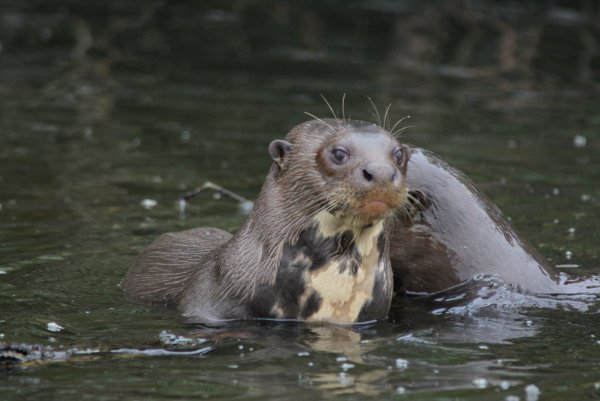
We visit the lakes Cocha Salvador and Cocha Otorongo. We have the chance to see Jaguars, giant otters many monkey...
 Manu Reserve Zone
7D / 6N
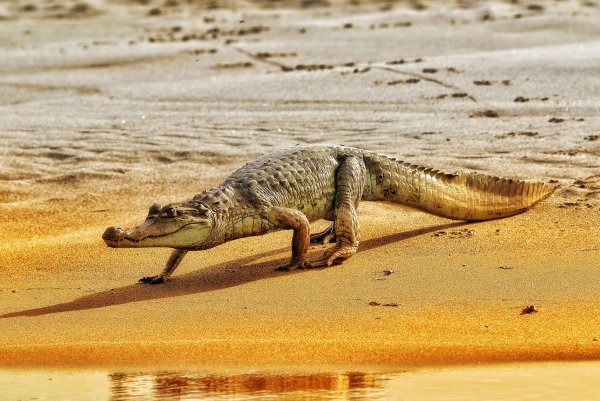
In this trip We visit the lakes Salvador and Otorongo. We have the chance to see Jaguars, giant otters many monkey species...
Our local team is ready to help you organize unforgettable experiences in Manu National Park, book & travel with confidence along rainforest.
All our jungle trips have been well surveyed by ourselves many times, so you can rest assured that we know all our itineraries back to front and will never compromise your safety.
 Manu Cultural Zone
2D / 1N
This is the perfect trip for those short of time and yet wishing to visit Manu National Park. The tour is designed for the...
 Manu Cultural Zone
3D / 2N
This adventure tour is beginning in the historic city of Cusco, that offers a range of activities as it takes you through colonial towns...
 Manu Cultural Zone
4D / 3N
Enjoy the beautiful ride, and take your time to walk on the lush mountain slopes, absorbing its vibrant green air...
 Manu Reserve Zone
5D / 4N
Here at Amazon Tours Manu we have designed an exclusive tour, that its takes you to the remoteness of the park, in fact this trip is well...
 Manu Reserve Zone
6D / 5N
We visit the lakes Cocha Salvador and Cocha Otorongo. We have the chance to see Jaguars, giant otters many monkey...
 Manu Reserve Zone
7D / 6N
In this trip We visit the lakes Salvador and Otorongo. We have the chance to see Jaguars, giant otters many monkey species...

Amazing tour in the Manu reserve for 6 days. Johans was a professional guide and showed us many animals, plants and landscapes. Luis was a good chief. We also thank Cristian and Aquiles for their...
Wonderful experience overall. We did the 5D4N Manu reserve tour. If I had the chance to do it again, I would probably do the 6D or even 7D tour. The 5D tour was informative and amazing as it was...
A great experience! The adventure and the team that guided us exceeded all expectations. Moises and his team are fantastic; they know a lot about the jungle and everything that lives there...